

From Monolith to Micro-AI: Modernizing Custom Software for the Nigerian Market
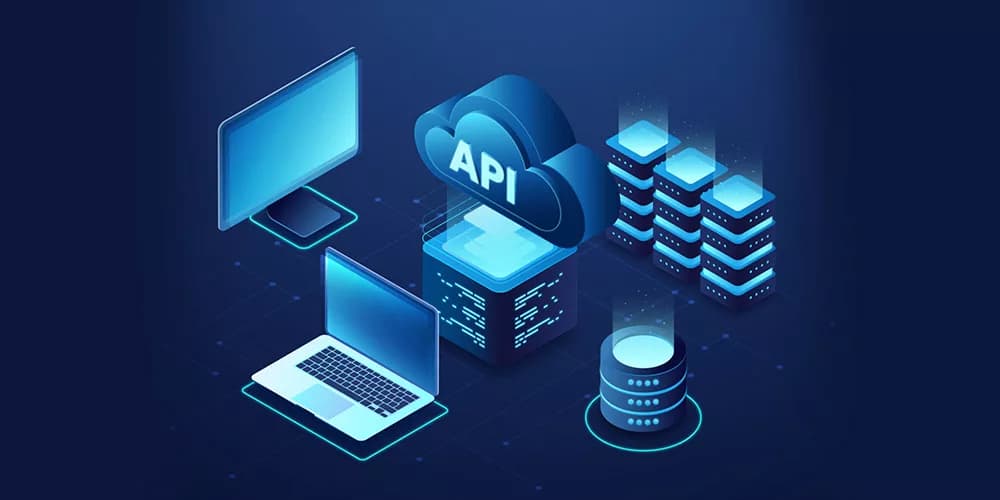
Upgrading legacy software in Nigeria requires balancing unpredictable network performance with rapid market demands. Discover how Nigerian CTOs can leverage AI-driven microservices and modern cloud architecture to scale efficiently.
The Nigerian tech ecosystem moves at a breakneck pace. From rapid regulatory updates in financial technology to hyper-localized demand in logistics and quick-commerce, businesses must deploy feature updates continuously to remain competitive. However, many established growth-stage companies and enterprises in Nigeria are held back by software systems built years ago. These legacy monolithic architectures were designed for predictable loads and simple database queries, not for real-time fraud detection, high-throughput transaction processing, or intelligent automation.
For CTOs and engineering founders, modernizing these legacy platforms is no longer optional—it is a core business survival strategy. Yet modernizing software in West Africa comes with distinct execution risks: volatile foreign exchange rates impacting international cloud spending, localized internet connectivity challenges, and high bandwidth costs.
Transitioning from monolithic systems to modular, AI-enabled cloud architectures provides a sustainable path forward. By taking a practical approach to modernizing custom software, engineering leaders can improve system availability, lower operational overhead, and integrate AI capabilities that solve real market challenges.
The Realities of Legacy Systems in the Local Context
Legacy monolithic systems typically group database access, user management, background processing, and core business logic into a single codebase. While this works well in early startup stages, it rapidly creates operational bottlenecks as user traffic grows:
- Single Points of Failure: A surge in transaction processing during peak hours can crash background workers, leading to complete system outages across billing, notifications, and user authentication.
- High Maintenance Overhead: Small modifications to custom internal modules require redeploying the entire codebase, increasing deployment risks and slowing product teams down.
- Inflexible Resource Allocation: Monoliths force teams to scale the entire application infrastructure horizontally, even if only a single feature requires additional computing capacity.
- Inefficient Data Utilization: Legacy database structures make running complex data analytics or integrating machine learning models nearly impossible without degrading primary transaction speeds.
Addressing these limitations requires an architectural shift that accommodates both modern development standards and local market infrastructure constraints.
Strategy 1: Breaking the Monolith into Modular Microservices
Attempting a complete software rewrite from scratch is often a dangerous strategy. For busy engineering teams, rewriting thousands of lines of active business logic diverts valuable engineering talent from feature delivery and revenue-generating projects.
Instead, adopt the Strangler Fig Pattern. This approach gradually replaces specific monolithic features with small, specialized microservices until the legacy core is entirely retired.
- Identify High-Impact Services: Isolate modules with distinct performance profiles, such as payment gateways, SMS notification routing, or document verification engines.
- Implement an API Gateway: Place an API routing layer in front of your system. This allows internal and external software clients to interact with a unified domain while your backend team shifts traffic from the legacy platform to new microservices.
- Deconstruct the Database: Shift away from massive shared databases by assigning independent data stores to individual microservices. Using lightweight key-value stores for session caching helps preserve system availability during network disruptions.
To expedite this architectural transition without introducing operational risk, engineering teams frequently partner with experts skilled in custom software modernization. You can explore our software engineering services to see how we assist scaling businesses with system refactoring.
Strategy 2: Injecting Practical AI into Custom Workflows
Upgrading your underlying architecture creates ideal conditions for integrating artificial intelligence into core operations. Artificial intelligence should not be added merely as a buzzword; it should solve concrete operational friction, automate manual workloads, and optimize data handling.
Here are three practical implementations of modern AI within custom applications:
- Intelligent Document Processing: E-commerce and fintech platforms in Nigeria process thousands of identity cards, business registration documents, and proof-of-address documents daily. Training custom optical character recognition (OCR) models or incorporating large language model (LLM) vision pipelines automates manual KYC workflows, reducing onboarding times from days to seconds.
- Automated Customer Service Support: Integrating AI agents directly into web and mobile applications allows platforms to handle routine support inquiries, transaction status queries, and troubleshooting in real time without increasing operational staff headcount.
- Predictive Fraud and Anomaly Detection: Lightweight machine learning classification models can run asynchronously next to core transaction logic. By analyzing payment origins, device fingerprints, and behavioral patterns, these models automatically flag suspicious transactions before settlement runs.
By building modular microservices, these AI pipelines run independently of primary application threads. This architecture ensures that slow network calls to external AI APIs will never block critical core business processes.
Strategy 3: Mitigating FX Volatility and Cloud Overhead
Engineering leaders in Nigeria face significant foreign exchange risk when paying for global cloud services in foreign currencies. Architectural choices must balance system reliability with cost optimization.
To balance performance with server expenses, apply these practical strategies:
- Leverage Edge Computing and Caching: Shift static web assets and initial request validation logic to global Content Delivery Networks (CDNs) with localized edge nodes. Caching dynamic responses closer to your users reduces server bandwidth usage and speeds up load times on mobile devices.
- Adopt Event-Driven Serverless Functions: Instead of maintaining idle virtual servers 24/7 for background tasks, use event-driven serverless functions. These scale automatically when processing tasks run and drop to zero infrastructure costs when idle.
- Implement AI Model Distillation: Running massive hosted foundation models continuously can lead to unpredictable API costs. For routine classification and text processing, fine-tune smaller open-source models and host them on serverless container infrastructure to maintain full cost control.
Modernization Checklist for Nigerian Engineering Leaders
Before launching a software modernization program, use this architectural checklist to align team focus:
- Audit Application Dependencies: Map out every internal module, third-party API, and database dependency within your core system.
- Establish an API-First Approach: Ensure all legacy functions communicate via clean, documented REST or gRPC contracts before splitting codebases.
- Establish Multi-Region Caching: Deploy memory caching instances to lower primary database read loads during traffic spikes.
- Design Circuit Breakers: Ensure external third-party API timeouts (such as SMS or payment networks) fail gracefully without freezing user applications.
- Incorporate Cloud FinOps Controls: Set automated budget threshold alerts across all cloud infrastructure environments to prevent surprise currency conversion charges.
Building for the Future
Software modernization is not simply a technical upgrade—it is a core strategy that enables business agility. Transitioning legacy codebases into modular, AI-ready services empowers Nigerian tech leaders to launch features faster, run efficient automated operations, and build resilient infrastructure capable of navigating local challenges.
If you are planning to modernize your software architecture, rebuild legacy applications, or integrate practical AI capabilities into your tech stack, contact our engineering team directly through our /contact page. We can help you build high-performance software tailored specifically for your target market.